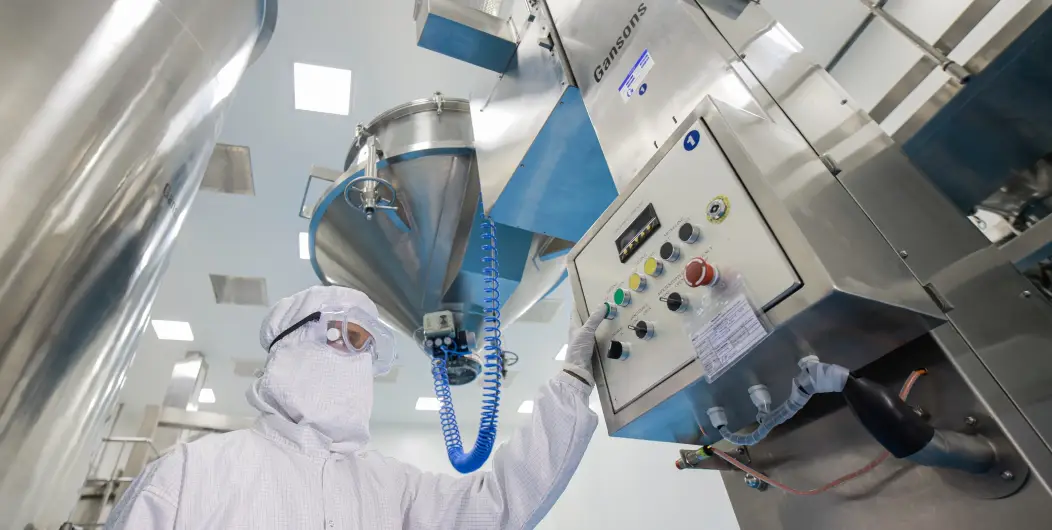
Sri Lanka’s pharmaceutical manufacturers operate within a nationally governed regulatory framework aligned with WHO standards. A growing number of facilities are pursuing internationally recognised quality certifications to demonstrate manufacturing excellence and expand access to regulated export markets across Africa, the Middle East, and beyond.
Sri Lanka’s pharmaceutical sector is overseen by the National Medicines Regulatory Authority (NMRA), the statutory body responsible for licensing manufacturers, registering products, and enforcing Good Manufacturing Practice (GMP) standards across the industry. The NMRA operates in alignment with WHO frameworks, establishing a compliance baseline that supports both domestic supply and export market access.
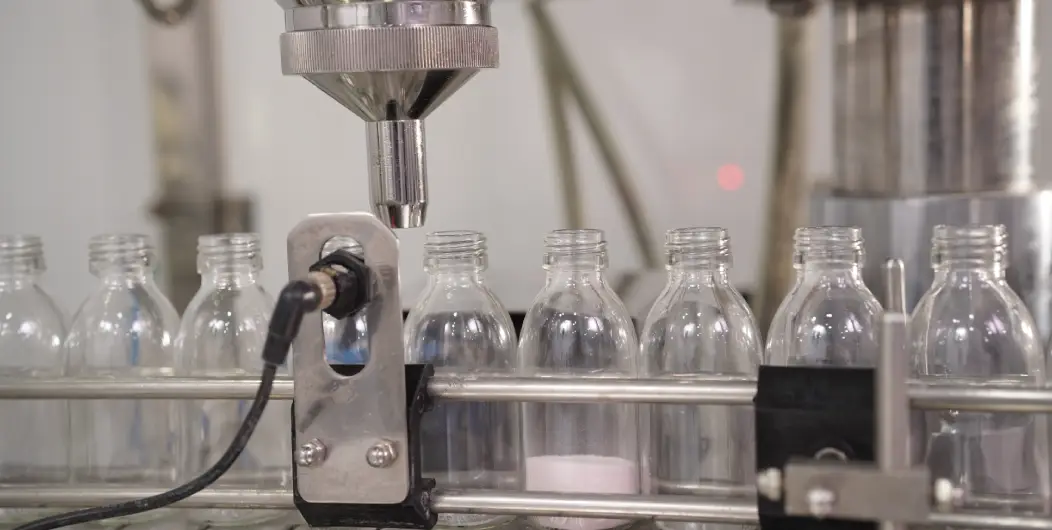
Facilities targeting export markets are required to demonstrate compliance with internationally recognised quality frameworks. The primary certifications held or actively pursued by Sri Lankan pharmaceutical manufacturers include:
Facilities targeting export markets comply with WHO Good Manufacturing Practice guidelines, the baseline standard required by most public-sector procurement bodies, UN agencies, and developing-country regulators. WHO GMP certification significantly expands market access across Africa, the Middle East, and Southeast Asia.
Sri Lanka also carries a notable reputational advantage in compliance relative to some regional peers. The sector has faced fewer high-profile GMP scandals compared to parts of India and Pakistan, giving local manufacturers a “clean slate” positioning that resonates with NGOs, UN procurement agencies, and public health buyers who prioritise supplier credibility alongside price. This reputational reliability, often characterised as “compliant, mid-cost” is increasingly a differentiator in tender-driven markets where buyer confidence matters as much as certification status itself.
Issued by Sri Lanka’s National Medicines Regulatory Authority, NMRA GMP certification is the mandatory domestic standard for all licensed pharmaceutical manufacturers operating in the country. It forms the foundation of the national quality assurance system and is a prerequisite for any product to be manufactured or sold locally.
Leading manufacturers hold ISO 9001 quality management certification. ISO 15378, specific to pharmaceutical primary packaging materials, is adopted by select export-oriented facilities. Together, these standards support internationally consistent quality systems and are valued by regulated-market buyers and procurement agencies.
Alignment with PIC/S (Pharmaceutical Inspection Co-operation Scheme) guidelines is an active area of industry development for manufacturers targeting European and high-income regulated markets. PIC/S-aligned GMP is the gateway to EU market access and is progressively being adopted by facilities with export ambitions beyond semi-regulated markets.
Issued by the NMRA on behalf of manufacturers, the Certificate of Pharmaceutical Product confirms that a product is authorised for sale in Sri Lanka and is manufactured under GMP conditions. The CPP is a prerequisite for product registration in many export destination countries and is recognised by importing regulatory authorities across key target markets.
Bioequivalence studies are increasingly required for generic drug registration in regulated markets. Local capacity for BE testing is growing, supported by university laboratory upgrades and investment from the University Grants Commission (UGC). Demonstrating bioequivalence is a critical step for Sri Lankan generics to gain approval in high-value international markets.
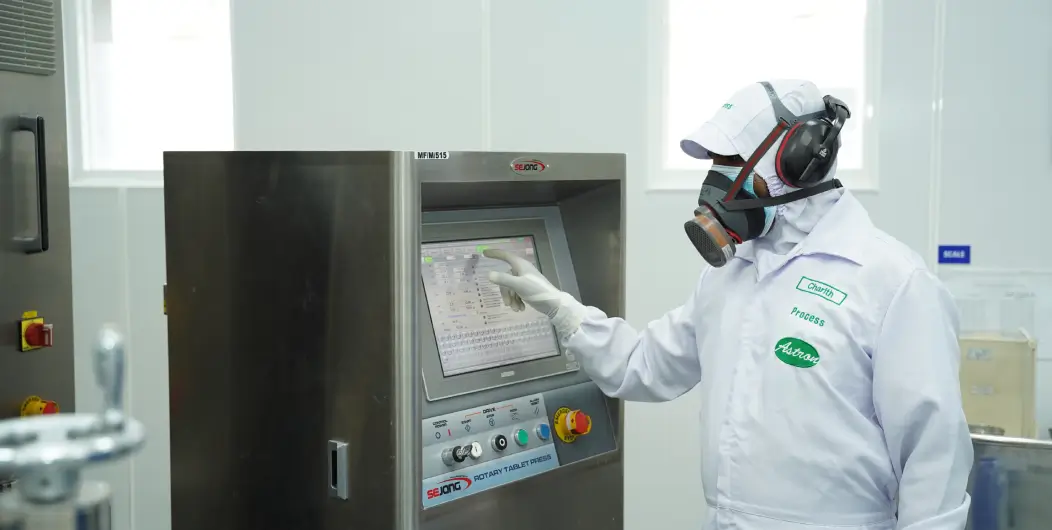
The compliance and certifications landscape is shaped by several national institutions, each playing a distinct role in upholding quality standards, advancing regulatory science, and enabling export market access.
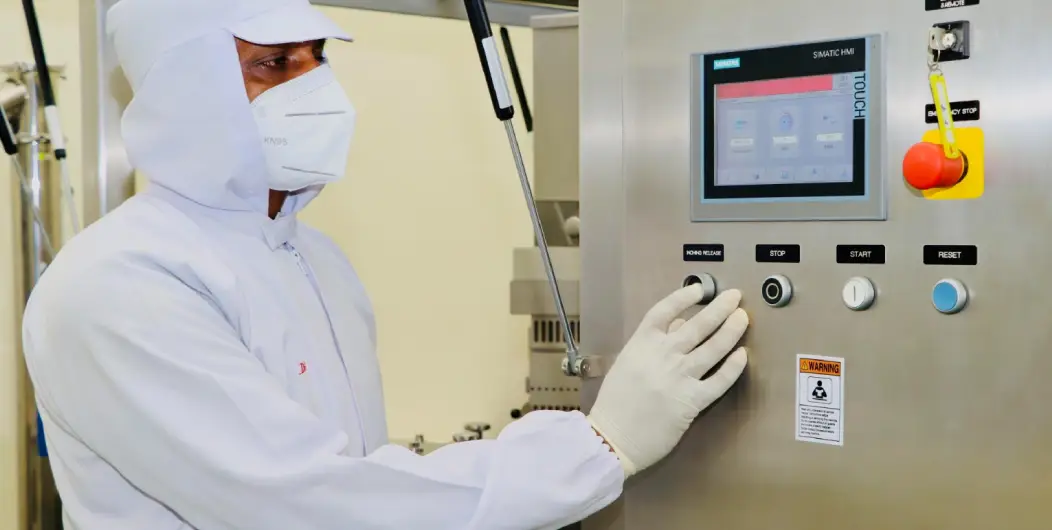
Manufacturers seeking to access international markets follow a structured compliance progression, with each stage building the quality credentials required to enter progressively more regulated export destinations.
All pharmaceutical manufacturers must hold a valid NMRA licence confirming facility compliance with national GMP requirements before any products can be manufactured or sold. This is the mandatory first step for all operators in the sector.
Manufacturers seeking to supply UN agencies, NGO procurement bodies, or semi-regulated markets undergo WHO GMP inspections. Achieving WHO GMP certification unlocks access to tender-driven markets and builds the quality track record required for progression to more regulated destinations.
The CPP issued by the NMRA supports product registration in destination countries. Many markets additionally require dossier submissions in Common Technical Document (CTD) format and bioequivalence data for generic product approvals. Dossier quality and completeness are key determinants of registration success in target export markets.
Accessing Europe, North America, or Australia requires PIC/S-aligned GMP, full CTD dossiers, and often USFDA or EMA facility audits. This remains an aspirational pathway for most local manufacturers, though a small number of export-oriented facilities are actively working toward this standard.
Ongoing GMP audits, pharmacovigilance reporting, and renewal of product registrations are required to sustain market access. The NMRA coordinates post-market safety monitoring in line with WHO frameworks, ensuring that quality standards are maintained throughout the product lifecycle.
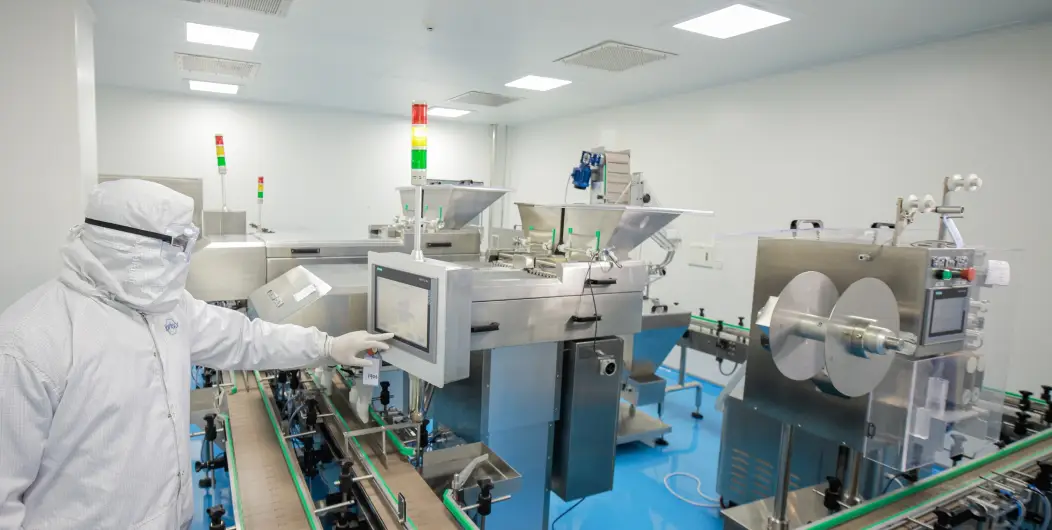
Despite meaningful progress, several structural constraints continue to limit the sector’s compliance capacity and slow its progression toward higher-value regulated export markets.
One active response to these challenges is the development of local Active Pharmaceutical Ingredient (API) production, pursued through the NIRDC’s collaboration with the EDB. Reducing dependence on imported APIs would not only lower supply chain vulnerability but would also strengthen traceability documentation, a recurring audit requirement that currently poses challenges for facilities sourcing materials from multiple overseas suppliers. Progress in local API manufacturing would directly improve the quality of compliance records presented to international auditors, supporting more consistent and credible regulatory submissions.
Addressing these constraints through regulatory reform, targeted infrastructure investment, and workforce development will be central to realising the full export potential of Sri Lanka’s pharmaceutical sector. Strengthening the compliance ecosystem positions the industry to progressively access higher-value markets and attract quality-focused international investment.