
Tea, apparel, spices, and gemstones are considered the cornerstones of Sri Lankan exports, the industries that have long defined the country’s place in global trade. Yet inside the island’s laboratories, manufacturing lines, and industrial zones, a quieter story of transformation is unfolding. Sri Lanka’s pharmaceutical sector, often overlooked in conversations about export potential, is developing into a credible and competitive presence in the global generic medicines market.
With 84 active licensed manufacturers, a strong culture of Good Manufacturing Practice (GMP) compliance, and a global generics market valued at over USD 500 billion and growing, the conditions for Sri Lanka to carve out a meaningful niche in pharmaceutical exports are more compelling than ever. The question is no longer whether the opportunity exists; it is whether Sri Lanka is ready to seize it.

Sri Lanka’s pharmaceutical industry did not emerge overnight. It grew steadily from the mid-twentieth century as successive governments prioritised access to medicines as a national health imperative. The State Pharmaceutical Manufacturing Corporation (SPMC) was established to anchor domestic production, and over time, a broader ecosystem of private manufacturers developed around it. Today, that ecosystem spans 84 licensed manufacturers producing tablets and capsules, oral liquids, topical formulations, injectables, and saline solutions, a comprehensive dosage form capability that few comparably sized economies can match.
Decades of GMP practice have cultivated a manufacturing culture that values quality, process discipline, and regulatory compliance attributes that translate directly into commercial credibility in international markets. The industry association, the Sri Lanka Pharmaceutical Manufacturers Association (SLPMA), plays an active role in coordinating industry positions and engaging with the government on policy and trade. Sri Lanka has a pharmaceutical story worth telling, and an industry capable of telling it through its products.
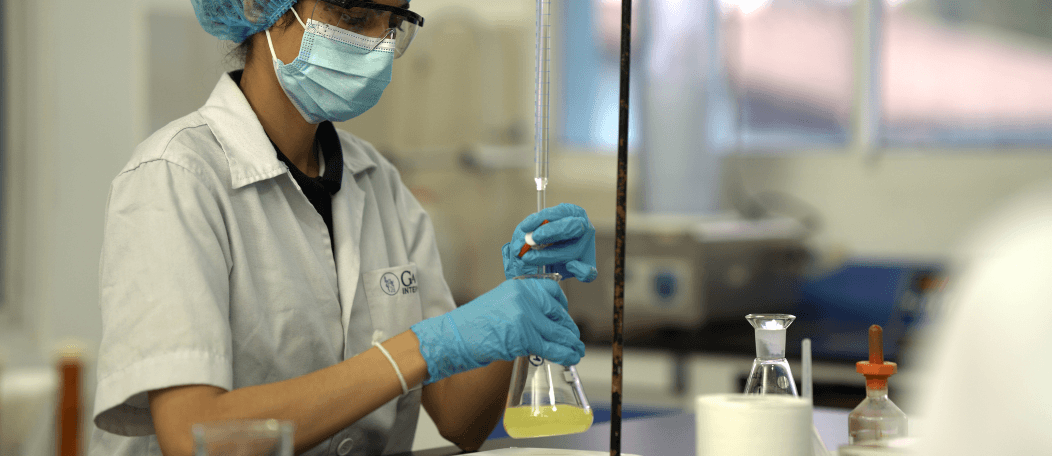
The global generic pharmaceuticals market continues to expand, driven by patent expires on major branded drugs, cost pressures on national healthcare systems, and rising medicines demand across emerging economies in Africa, South Asia, and the Middle East. Governments and institutional buyers worldwide are actively seeking reliable, GMP-compliant generic suppliers who can deliver quality at competitive price points precisely in the segment where Sri Lanka competes.
Sri Lanka’s pharmaceutical exports reached USD 8.07 million in 2024, the highest value in recent years, with export volumes at approximately 357,000 kg. Primary export destinations are India, Japan, and the Maldives, each representing distinct market dynamics: India as a regional hub and re-export channel; Japan as a signal of quality recognition given its demanding standards; and the Maldives reflecting Sri Lanka’s geographic advantage as a supplier to import-dependent island markets. Several product categories present particularly compelling growth opportunities:
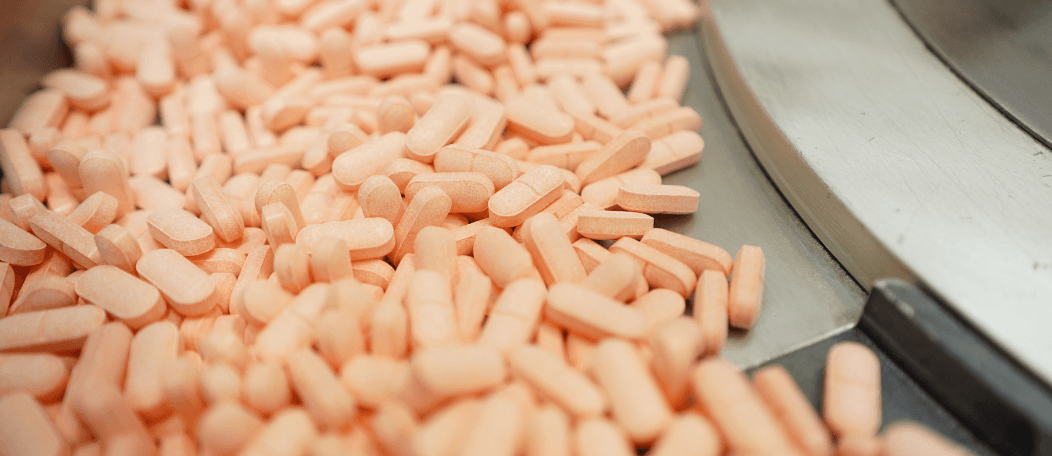
Sceptics may point to the dominance of India, China, and Bangladesh as evidence that Sri Lanka faces an insurmountable challenge in pharmaceutical exports. This misses the point. Sri Lanka does not need to out-produce India or out-price China. It needs to compete on a combination of attributes that no single rival fully replicates:
Sri Lanka has recorded far fewer high-profile regulatory failures than some larger regional competitors. This “clean slate” advantage translates into faster buyer confidence and a more defensible position with NGOs, UN agencies, and public health buyers who are acutely sensitive to compliance risk.
Smaller production scales enable faster SKU customisation, flexible batch sizes, market-specific packaging and labelling, and rapid responsiveness to tender requirements, genuine differentiators in niche and semi-regulated markets where large-volume competitors offer less flexibility on specialised orders.
Sri Lanka’s location between South Asia, East Africa, and the Middle East enables competitive shipping times and freight costs to high-growth import-dependent markets. For buyers in the Maldives, East Africa, or the Gulf Cooperation Council, sourcing from Sri Lanka offers meaningful logistical advantages over Europe or the Far East.
A credible pharmaceutical export strategy must also confront the headwinds. The most significant barrier is regulatory recognition. GMP certification issued by Sri Lanka’s National Medicines Regulatory Authority (NMRA) is not currently accepted by most regulated markets. Without WHO Prequalification or recognition under major bilateral regulatory frameworks, Sri Lankan manufacturers face restricted access to high-value procurement channels, including EU tenders, US institutional supply, and major UN agency programmes. Building the technical infrastructure and compliance systems needed for international recognition requires sustained institutional investment and multi-year commitment.
Bioequivalence (BE) study capacity is another structural gap. BE studies are a prerequisite for generic drug registration in most regulated markets, yet Sri Lanka’s current infrastructure for conducting them remains limited. Expanding this capacity through upgraded laboratory facilities and partnerships with qualified testing centres is essential for manufacturers who aspire to register their products in premium markets. The sector is also highly dependent on imported raw materials and packaging inputs, exposing manufacturers to foreign exchange volatility and supply chain disruptions. The near-total absence of local Active Pharmaceutical Ingredient (API) manufacturing means most input costs remain dollar-denominated, compressing margins. Finally, a shortage of specialised technical personnel, particularly engineers with pharmaceutical manufacturing and cleanroom expertise, will become an increasingly binding constraint as the industry scales up and pursues more complex product lines.
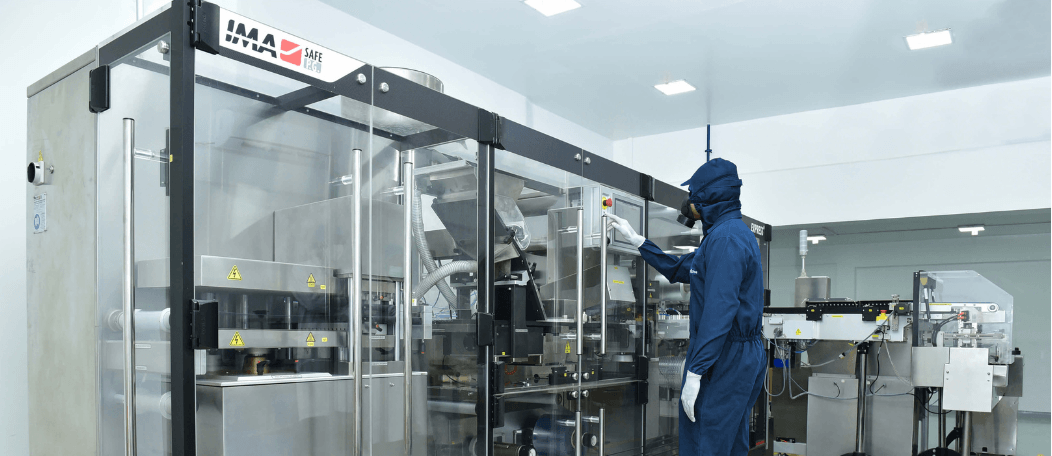
Building a credible pharmaceutical export industry will not happen overnight, but a phased approach can generate meaningful momentum within a five-to-ten-year horizon.
Help manufacturers achieve WHO prequalification and bilateral regulatory recognition, build OEM and contract manufacturing partnerships with leading international brands, and connect them with key pharmaceutical procurement markets through trade missions and buyer-seller meetings.
Strengthen bioequivalence laboratory and quality testing capacity, develop technical talent with NAITA and universities, and begin policy discussions on pharmaceutical export zones and API import duty relief to improve cost competitiveness.
Develop local API manufacturing for select high-volume molecules, establish Sri Lanka as a recognised contract manufacturing destination for international generic brands, and build a national export identity that earns premium positioning in markets that value reliability over lowest cost.
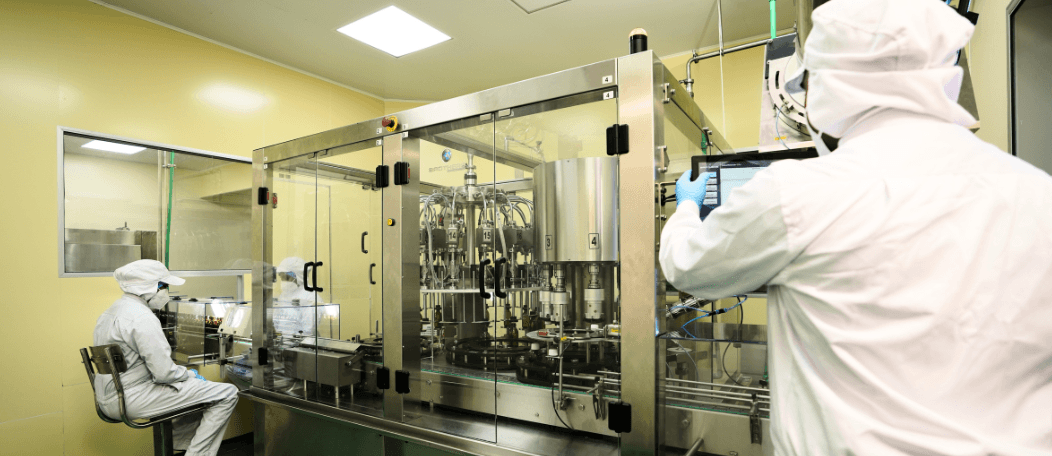
Sri Lanka’s pharmaceutical export potential sits within a broader national conversation about economic diversification, reducing trade deficits, and creating quality employment beyond traditional pillars. Pharmaceutical manufacturing checks multiple policy boxes simultaneously: it generates foreign exchange through exports, creates skilled employment in both urban and semi-urban areas, builds industrial capabilities that support adjacent healthcare and biotech sectors, and enhances the country’s strategic depth as a knowledge economy. For a country actively working to rebalance its export base, the sector deserves both strategic attention and targeted institutional support.
Sri Lanka has the manufacturing base, compliance culture, geography and product range to build a meaningful and growing presence in global pharmaceutical exports. The path forward starts with what already exists: 84 licensed manufacturers producing a broad range of finished dosage forms, an established track record in key export markets, and an industry association and regulatory framework capable of supporting further growth.
What is needed now is coordinated ambition: manufacturers willing to invest in compliance and certification, institutions ready to provide targeted financing and regulatory support, and a national export narrative that proudly includes medicines alongside tea and textiles. The global market for reliable, quality generic medicines is growing. Sri Lanka has the foundation. It is time to prescribe bold action.