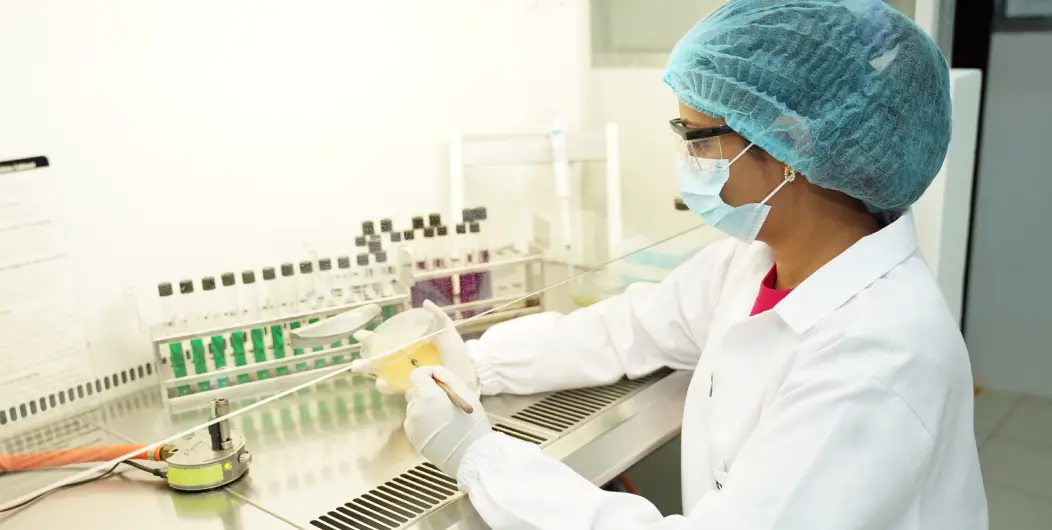
Sri Lanka’s pharmaceutical industry is increasingly recognised not only as a manufacturing hub but as an emerging centre for research, scientific innovation, and product development. Anchored by a network of public research institutions, universities, and an engaged private sector, the industry’s R&D ecosystem is steadily advancing, moving beyond import substitution toward developing high-value, export-ready pharmaceutical products.
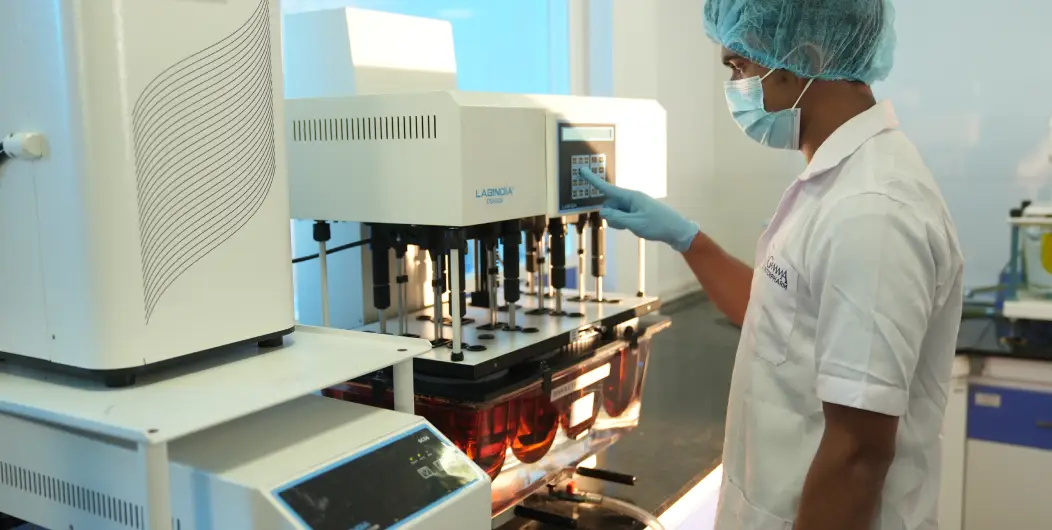
Sri Lanka’s pharmaceutical R&D spans several interconnected disciplines, from traditional medicine-inspired drug discovery to cutting-edge technology applications.
One of the most active frontiers in local research is the screening of Sri Lanka’s endemic plant species for bioactive compounds with antibacterial, antifungal, and anticancer properties. Ongoing projects include investigating medicinal plant-associated fungi and evaluating the therapeutic potential of native flora against antibiotic-resistant bacteria, an area of growing global public health significance.
Research institutions and manufacturers are actively developing high-value, locally manufactured formulations, including:
Leveraging Sri Lanka’s abundant natural resources, researchers are developing nutraceutical and cosmeceutical products from locally available ingredients, including cinnamon, turmeric, and ginger, as well as skin, hair, and oral care products grounded in Ayurvedic tradition.
Sri Lankan institutions are increasingly engaged in clinical trials of new therapies, as well as pharmacovigilance and safety evaluations of natural products. Notable work includes studies on Carica papaya leaf extract, relevant to dengue fever management, a locally prevalent condition with regional export implications.
Emerging research areas include nanopharmaceuticals, nano-diagnostics, and the exploration of marine natural products. The sector is also beginning to explore fourth industrial revolution (4IR) technologies, including artificial intelligence and blockchain, to optimise supply chains and improve manufacturing efficiency.
In response to national health priorities, researchers are developing natural water purification systems for communities in areas affected by Chronic Kidney Disease (CKD), a significant concern in Sri Lanka’s agricultural regions. Eco-friendly and efficient manufacturing processes are also a growing area of investigative focus.
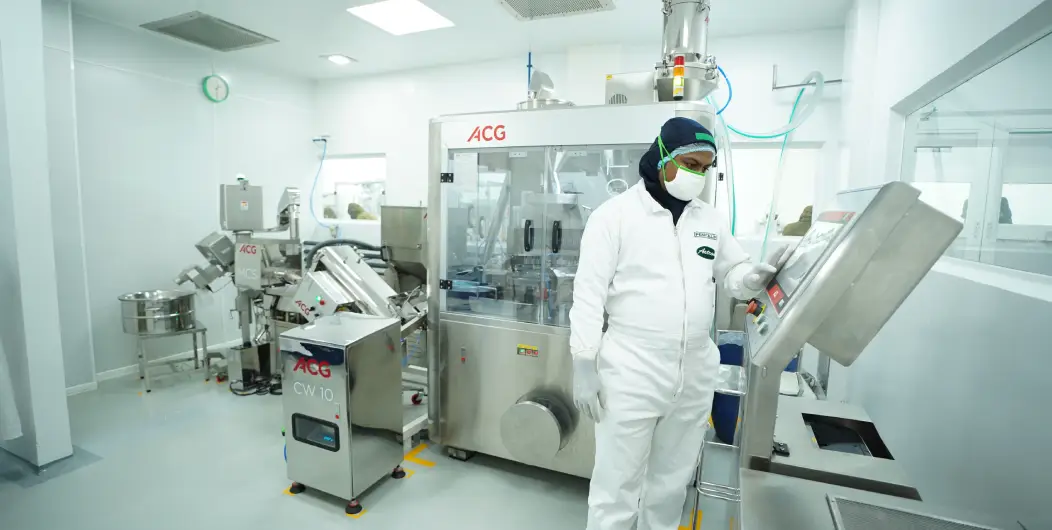
A diverse institutional ecosystem supports pharmaceutical R&D in Sri Lanka, connecting state mandates with academic expertise and private-sector collaboration.
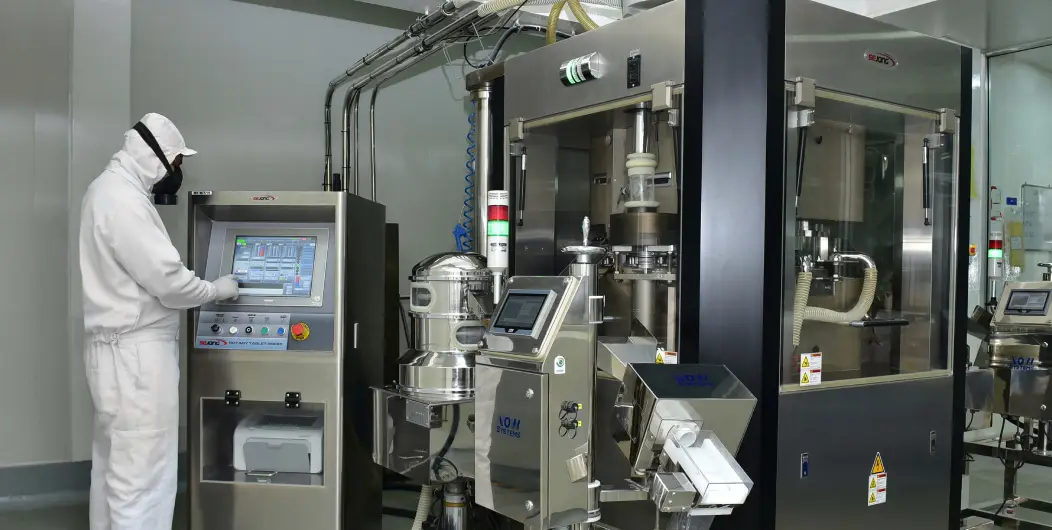
The Sri Lankan government has established several funding mechanisms to support pharmaceutical R&D, with a particular focus on import substitution, export growth, and research aligned with national health priorities.
The NRC channels structured funding into pharmaceutical research through three main streams:
Established to bridge the gap between research output and marketable pharmaceutical products, the NIRDC offers funding designed to accelerate local manufacturing capabilities and reduce dependence on imported medicines. It operates in close collaboration with the Export Development Board.
Grants are available for establishing and upgrading laboratory infrastructure for bioequivalence testing and quality assurance capabilities that are critical requirements for gaining international regulatory acceptance for Sri Lankan pharmaceutical exports.
Funding is directed toward research aligned with national health priorities, including infectious diseases and pharmaceutical supply chain management areas, where locally developed solutions can directly reduce the country’s import dependency.
Priority Funding Areas
Across these mechanisms, the common priorities driving R&D investment include:
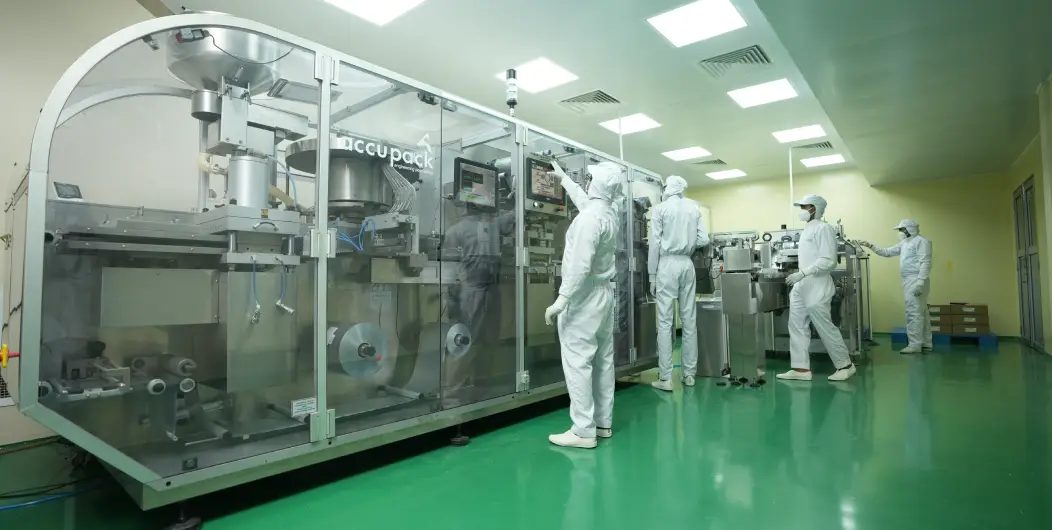
Despite meaningful progress, the sector’s R&D ambitions are shaped by several structural challenges that require coordinated policy and industry responses.
Addressing these constraints through regulatory reform, targeted infrastructure investment, and human capital development will be central to realising the full potential of Sri Lanka’s pharmaceutical R&D ecosystem. Translating research output into commercially viable, export-ready products represents one of the sector’s most significant opportunities for sustained value creation.