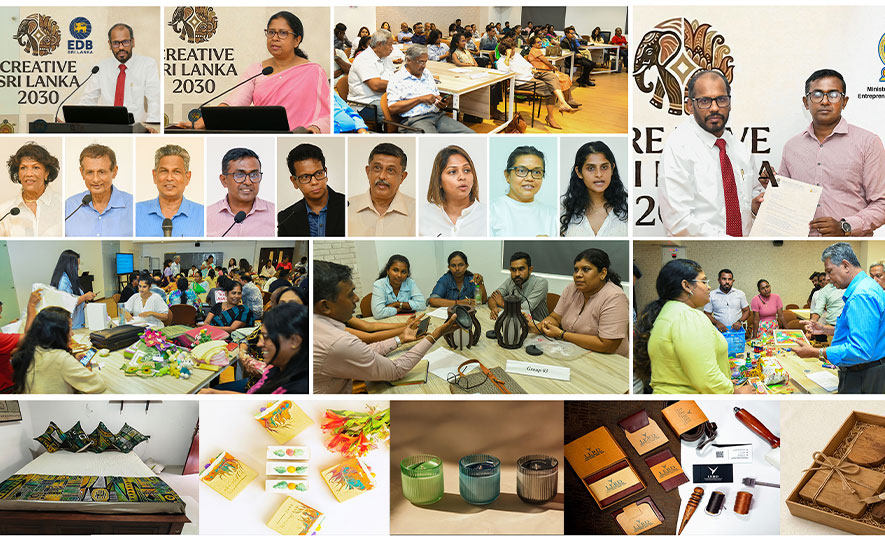
EDB’s national programme brings exporters, SMEs, artisans, designers and academia together to transform Sri Lanka’s traditional craftsmanship into contemporary products for global markets
For generations, Sri Lankan artisans have transformed clay, wood, fibre, metal, textile and other indigenous materials into objects that reflect the island’s culture and identity. Yet much of this creative wealth has remained fragmented, small-scale and disconnected from the world’s major commercial markets.
The Sri Lanka Export Development Board (EDB) is taking forward Creative Sri Lanka 2030, an ambitious national programme designed to turn the country’s craft heritage into globally competitive, commercially viable and recognisable brands.
The initiative builds on the foundations established during its earlier pilot phase and is now being expanded through a stronger private-sector-led “Umbrella Model”, linking established exporters with specialised SMEs, artisans, designers and other stakeholders.and “The ambition is no longer simply to export crafts. It is to build Sri Lankan brands that the world recognises for design, authenticity, sustainability and quality.”
The programme comes at a strategically important time. Sri Lanka’s National Export Development Plan 2026–2030 targets US$36 billion in total exports by 2030, with export diversification, value addition and stronger integration into global value chains at its core.
Creative Sri Lanka 2030 seeks to ensure that the country's creative and craft industries become part of that national export transformation and with that EDB was successfully launched recently this national initiative at the Export Development Board premises. The programme, which represents the local giftware, handicraft and lifestyle products sectors, will be implemented over the next three years under 10 newly selected leading "Umbrella Brands."
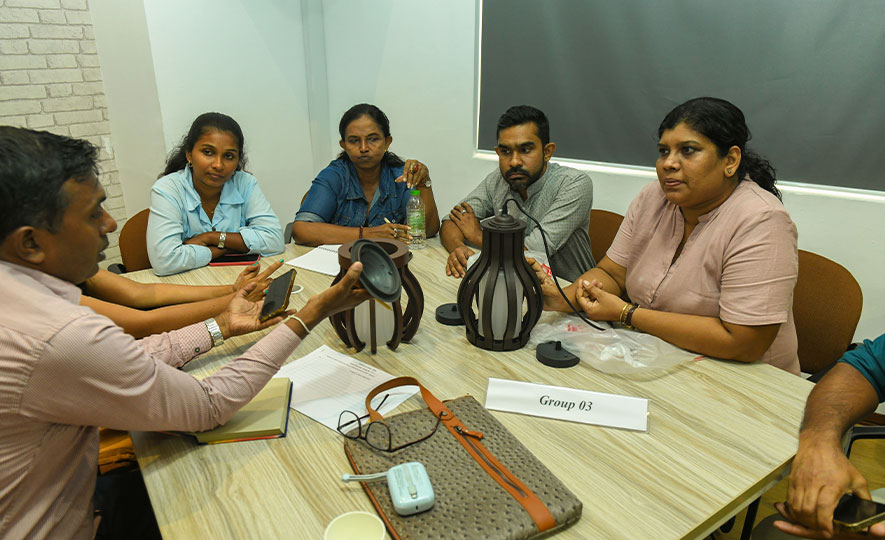
During the first phase, implemented with the support of the European Union and the British Council, and with consultancy provided by University Arts London and The Institute for Future Creations, five Sri Lankan brands were successfully connected with international designers. This collaboration resulted in the securing of export orders from international markets, including Germany, Denmark, and the United Kingdom.
Building on this success, the government has now allocated funding to take the project forward on a continuous basis, with the participation of stakeholders including the Ministry of Industry and Entrepreneurship Development, the National Craft Council, the National Design Centre, the University of Moratuwa, and private sector universities.
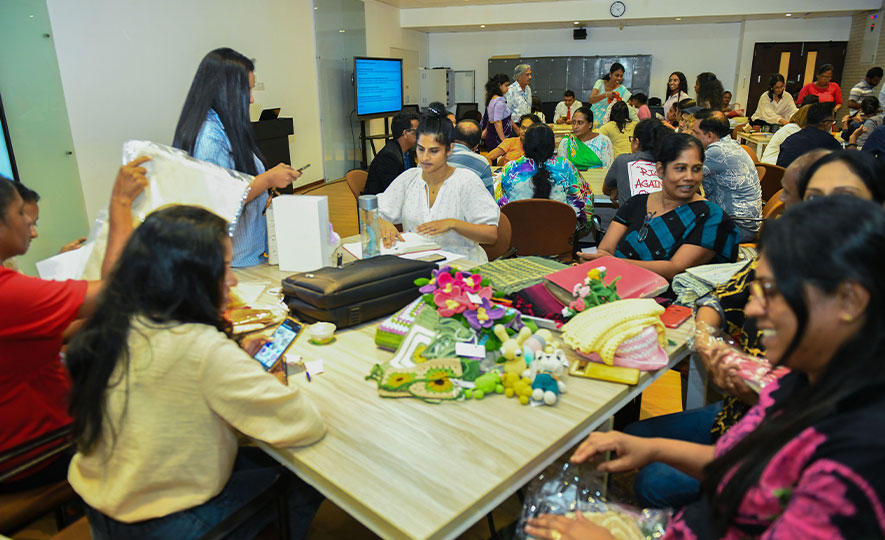
Backed by the Government support, the programme's main objective is to enhance the global competitiveness of selected Sri Lankan creative industry brands through design development, structured training, and the building of international market linkages.
Under the current phase, the EDB plans to cluster 40–50 small and medium enterprises (SMEs) as support suppliers around the 10 selected brands, while a total of 50 SMEs will be developed as second-tier manufacturers. In addition, capacity building, design and market development programmes will be conducted with the participation of local and foreign experts, along with efforts to build relationships with foreign buyers. Exporters will also be given the opportunity to take part in international trade fairs, including the Ambiente Gifts exhibition to be held in Frankfurt, Germany, in early 2027.
Delivering the welcome address at the event, EDB Chairman Mr. Mangala Wijesinghe stated that the launch of this programme marks an important step towards harnessing the full potential of Sri Lanka's creative industry to the fullest. He noted that the creative industry is one of the fastest-growing sectors of the global economy, and that its contribution to the Gross Domestic Product (GDP) of many countries continues to grow.
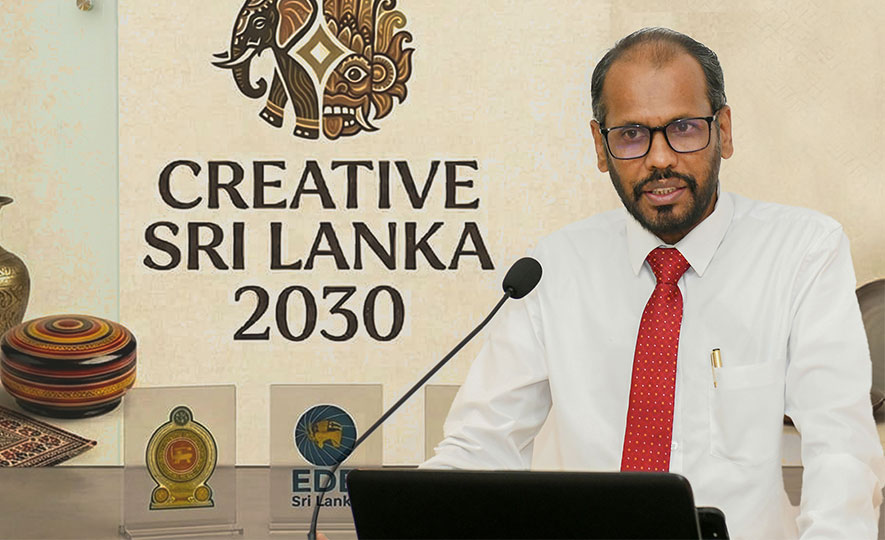
Explaining the way forward for the Creative Sri Lanka 2030 programme, EDB Director of Industrial Products Ms. Manoja Dissanayake stated that Sri Lanka's traditional craftsmanship, cultural diversity, and natural resources provide a strong foundation for sectors such as art, handicrafts, design, fashion, film, performing arts, heritage, architecture, and cuisine.
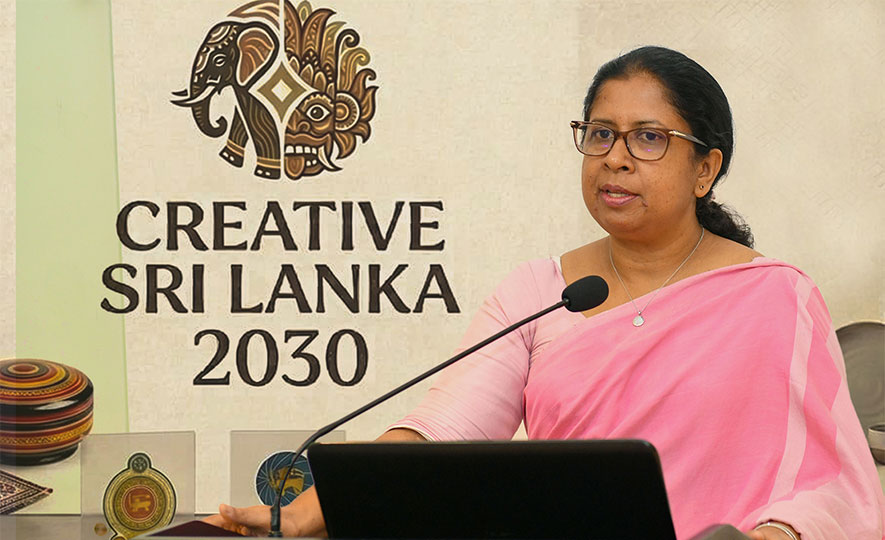
According to United Nations estimates, creative industries can help build more resilient and prosperous economies, reduce social and income inequalities, and encourage innovation. The sector represents a USD 2 trillion global economy, generating close to 50 million jobs worldwide — nearly half of which are held by women, with its workforce being younger than that of any other industry.
Through this initiative, the Export Development Board aims to increase export revenue from the creative industry by 10% by 2028–2029 and to generate new employment opportunities in related sectors.