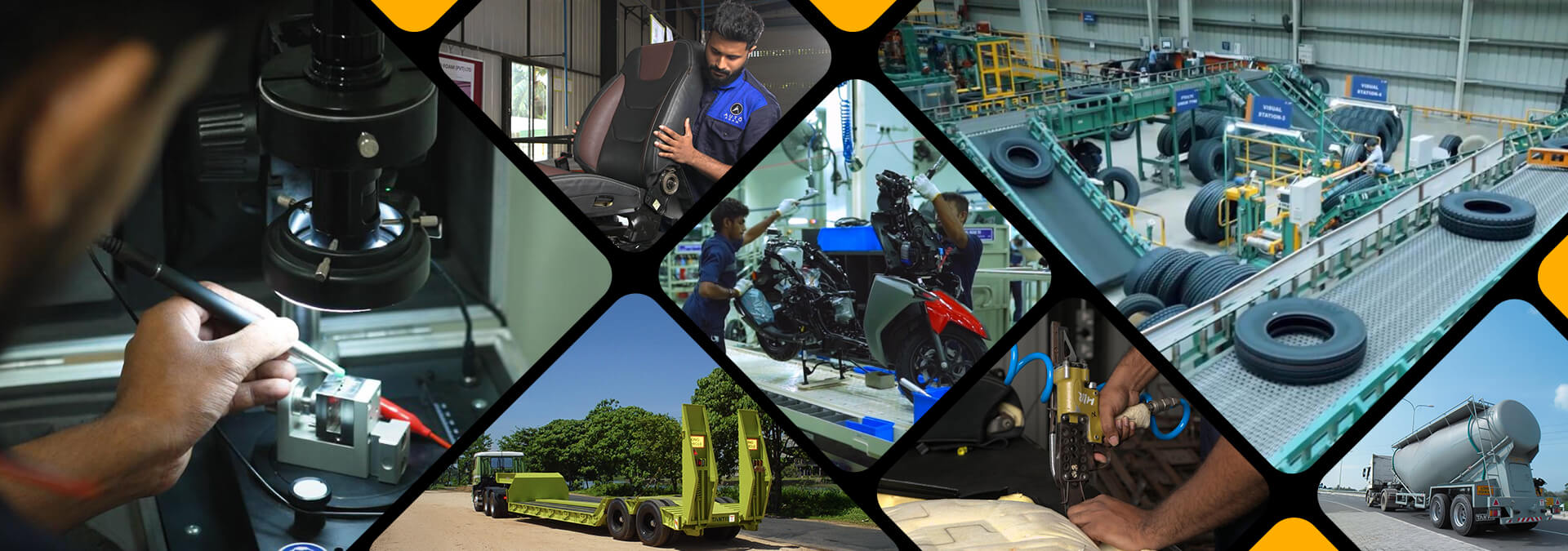
Sri Lanka is rapidly emerging as a significant hub for electric vehicle (EV) assembly in South Asia, combining government policy support, international partnerships, and indigenous innovation to drive the transition toward sustainable mobility. The electric vehicle assembly sector represents a transformational opportunity for the country’s automotive industry, offering pathways to reduce emissions, create employment, generate foreign exchange, and position Sri Lanka as a regional leader in green technology manufacturing.
The global automotive industry is undergoing unprecedented transformation toward electrification. Major markets worldwide are implementing aggressive EV adoption targets, with the International Energy Agency projecting that electric vehicles will constitute the majority of new vehicle sales globally by 2035. Sri Lanka, recognising this global trend and the urgent need for domestic emissions reduction, has positioned itself strategically to capture opportunities in EV assembly, component manufacturing, and related services.
This comprehensive exploration examines Sri Lanka’s electric vehicle assembly capabilities, government initiatives, manufacturing operations, market dynamics, and prospects for international buyers, investors, and policy stakeholders seeking to understand the country’s positioning in the global EV revolution.
Sri Lanka currently hosts multiple EV assembly operations producing vehicles for both domestic markets and regional export:
Beyond international brand distribution, Sri Lanka demonstrates indigenous EV innovation capabilities through Vega Innovations. The company developed the Vega EVX, South Asia’s first electric supercar, featuring impressive performance specifications (0-100 km/h in under 3 seconds, top speed of 250 mph). The vehicle’s showcase at the Geneva International Motor Show 2020 provided international platform validation for Sri Lankan engineering and design capabilities...
Vega Innovations also manufactures electric three-wheelers and all-terrain vehicles, demonstrating capability across diverse vehicle categories and market applications. This portfolio diversity shows that Sri Lankan innovation extends beyond passenger vehicles to address specific regional transportation needs.
Sri Lanka’s EV assembly sector has prioritised three-wheelers and two-wheelers, reflecting practical market focus on high-volume, affordable transportation solutions. These vehicle categories dominate mobility in South Asian cities, providing a substantial market opportunity.
Three-wheelers are particularly significant as they represent the primary commercial vehicle type in Sri Lanka, India, Bangladesh, and other regional markets. Converting this category to electric propulsion offers enormous emissions reduction potential while lowering operational costs for commercial operators through reduced fuel and maintenance expenditures.
Two-wheelers similarly represent a massive market opportunity, with hundreds of millions of motorcycles and scooters operating across South Asia. Electric two-wheelers offer urban commuters cleaner, quieter, cost-effective transportation alternatives to petrol motorcycles.
Multiple manufacturers have introduced compact electric passenger vehicles suited to regional market conditions. The JMEV models, particularly the ELIGHT sedan, offer practical family transportation with ranges (up to 500km) supporting daily commuting and weekend travel.
These vehicles are designed for emerging market conditions, featuring simplified electronics, robust construction, and serviceability aligned with regional maintenance infrastructure. This practical design approach contrasts with luxury EV models from developed markets, creating accessibility for broader consumer segments.
Electric tractors and commercial vehicles address specific sectoral needs. Agricultural mechanisation represents a growth area, and electrification offers farmers operational cost savings while reducing environmental impact in rural areas. Volta Auto Tec’s focus on electric tractors reflects recognition of this opportunity.
While EV assembly has expanded, Sri Lanka is simultaneously developing component manufacturing capabilities essential for sustainable local production. The automotive component sector, which already generates USD 200 million in annual exports, is pivoting toward EV-specific components.
Government strategy aims to integrate local component manufacturers into global EV supply chains. By developing recognised competencies in specific component categories, Sri Lankan manufacturers can supply not only domestic EV assembly operations but also manufacturers across South Asia, achieving economies of scale and export revenue growth.
The target to grow automotive component exports from USD 200 million to USD 1 billion by 2030 includes specific emphasis on EV component categories. This ambitious growth reflects the recognition that component manufacturing offers higher value addition and employment potential than vehicle assembly alone.
Electric vehicles have achieved substantial market penetration remarkably quickly in Sri Lanka. EVs constitute 15% of brand-new vehicle registrations as of 2024, representing explosive growth from near-zero market share just 2-3 years earlier.
This rapid adoption reflects multiple drivers, including import restrictions on conventional vehicles (lifted in February 2025 but creating accumulated demand), government incentive policies, rising fuel prices, environmental awareness, and availability of affordable EV models through Chinese manufacturers and Indian importers.
The global EV market is projected to grow from USD 12.5 billion in 2025 to USD 19.3 billion by 2031, representing a compound annual growth rate of 7.8%. Sri Lanka’s participation in this growth trajectory positions the country within a larger expansion cycle, creating economies of scale and investment opportunities.
Domestically, as import restrictions are managed to protect local assembly, and as charging infrastructure expands, the EV market share is projected to continue rising toward 30-40% of new vehicle sales within the next 5 years. This market growth creates sustained demand for assembly capacity and component supplies.
One of Sri Lanka’s significant EV market advantages is price competitiveness. Chinese EV manufacturers (particularly BYD, JMEV, and SERES) and Indian companies operating through Sri Lankan distributors offer vehicles at price points accessible to middle-income consumers. This affordability-with-quality approach expands addressable markets compared to premium EV segments.
The PUCSL has established regulatory requirements for the development of EV charging infrastructure, licensing charging station operators, and establishing tariff structures. This regulatory approach creates investment certainty for infrastructure operators while protecting consumer interests.
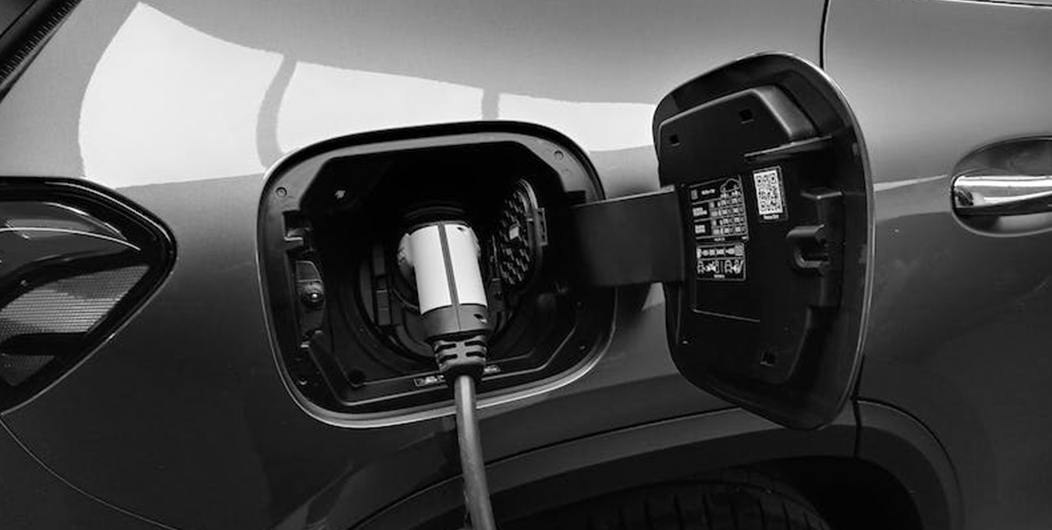
Charging infrastructure is expanding across major urban centres, highways, and commercial hubs. Time-of-Use (ToU) tariff structures incentivise off-peak charging, supporting grid management and renewable energy integration.
The government is promoting solar-plus-storage systems coupled with EV charging, creating synergies between renewable energy development and EV adoption. This integration supports climate objectives while improving energy security and reducing operating costs for charging infrastructure operators.
Sri Lanka’s electric vehicle assembly sector has evolved from nascent beginnings to operational reality within 2-3 years. Multiple manufacturers now operate assembly plants, indigenous innovation demonstrates engineering capability, component manufacturing is transitioning toward EV-specific products, and government support provides policy stability and incentives.
The convergence of global EV market growth, regional market demand, government strategic vision, and competitive advantages in manufacturing and location position, Sri Lanka is favourably positioned for expanded EV assembly and component manufacturing roles. While challenges remain, particularly in supply chain localisation, regulatory clarity, and workforce development, the trajectory points toward the growing importance of Sri Lanka in regional EV manufacturing.
For international partners and investors, Sri Lanka presents compelling opportunities to participate in South Asia’s EV revolution while leveraging government support, cost-competitive manufacturing, strategic location, and growing skilled workforce capabilities. The next five years will be critical in determining whether Sri Lanka successfully transitions from EV importer to regional assembly and component manufacturing hub.
The combination of government commitment, emerging manufacturing infrastructure, indigenous innovation capability, and strategic market focus suggests that Sri Lanka’s electric vehicle assembly sector will constitute an increasingly significant component of the country’s automotive industry and broader economic development strategy.
Sri Lanka is a fast-growing automotive manufacturing hub, offering global buyers cost-efficient, high-quality vehicles and components. With strong policy support, 50+ component makers, 30 assembly plants, and partnerships with leading brands like Hyundai and TATA, Sri Lanka ensures international standards, strategic location advantages, and supply chain resilience.