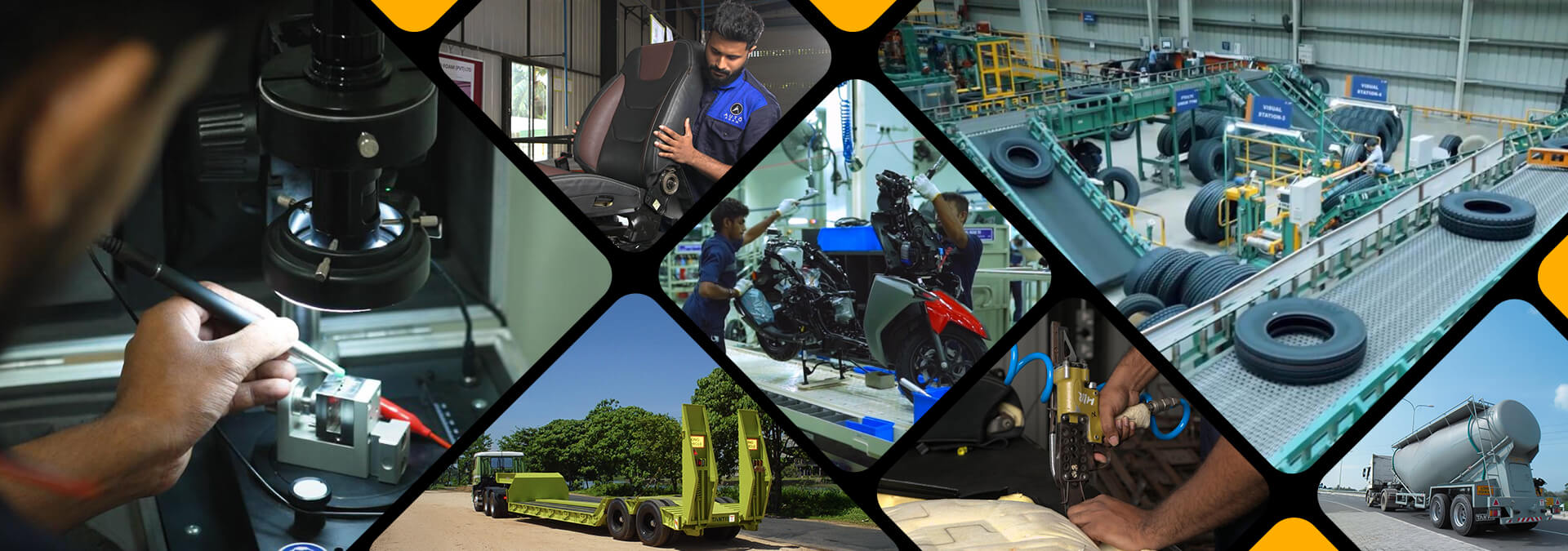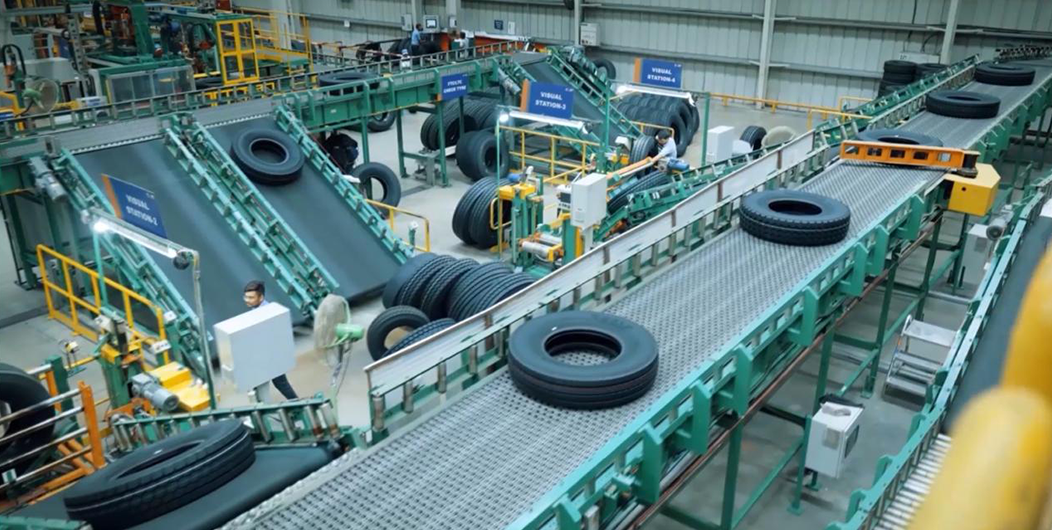
Sri Lanka's automobile industry has undergone a remarkable transformation, evolving from a predominantly import-dependent market into a growing regional hub for vehicle assembly, automotive component manufacturing, and export-oriented operations.
The Sri Lankan automobile industry represents one of the country's fastest-growing industrial sectors, demonstrating exceptional resilience and adaptability. Operating under the Ministry of Industries' Standard Operating Procedure (SOP) since 2021, the sector has attracted world-renowned automotive brands while simultaneously developing sophisticated local manufacturing capabilities.
The Current Market Scale carries over 30 vehicle assembly operations (17+ active plants, with 17+ additional investors preparing to commence operations) - 50+ automotive component manufacturers - Approximately 20,000 direct employees and 10,000+ indirect employment opportunities - USD 800 million in annual exports with ambitious targets to reach USD 2 billion - Component manufacturing exports valued at USD 200 million, targeting USD 1 billion growth.
The industry's evolution has been supported by strategic government policies, international partnerships, and a skilled workforce capable of meeting global automotive standards. The temporary vehicle imports suspension (2020-2025) catalysed significant growth in local assembly and component manufacturing, demonstrating the sector's potential for sustained development.
Sri Lanka hosts assembly operations for internationally recognised automotive brands, showcasing the country's capability to meet stringent global quality standards and production requirements.
Such vehicle categories and brands include:
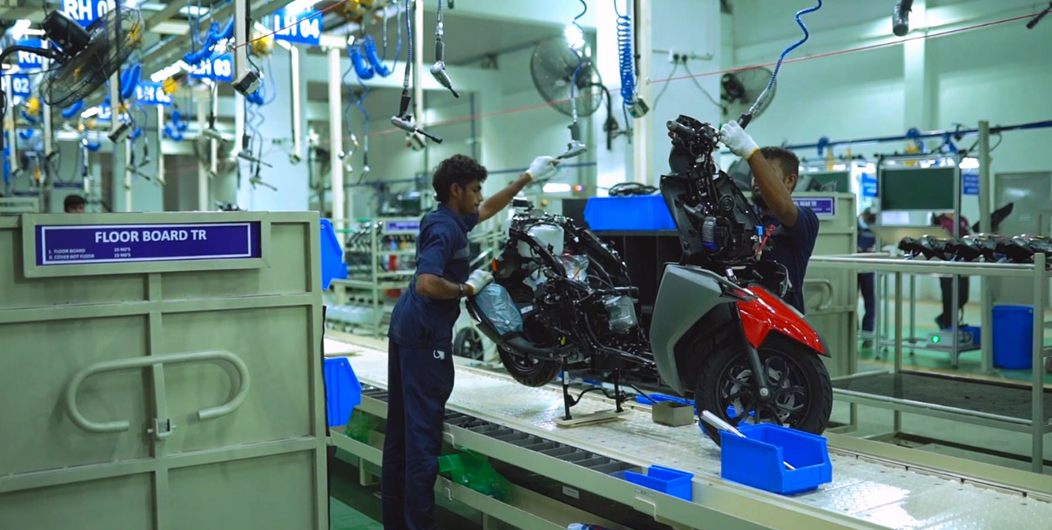
Sri Lankan assembly operations demonstrate sophisticated manufacturing capabilities with modern facilities equipped for diverse vehicle production, including:
Sri Lankan automotive component manufacturers have achieved international recognition, supplying to world-renowned automotive brands and integrating into global supply chains.
Premium Brand Partnerships include:
Sri Lankan manufacturers produce a diverse range of automotive components across multiple categories:
Current Export Statistics:
Key Export Destinations:
The government has established ambitious targets for component manufacturing expansion: The targets include increasing export growth from USD 200 million to USD 1 billion in component exports, employment generation of an additional 45,000 direct jobs through export expansion, Establishing Sri Lanka among recognised automotive component suppliers globally and a 20-year master plan for advanced automotive manufacturing.
Sri Lanka has developed a comprehensive framework for electric vehicle manufacturing and adoption, positioning the country at the forefront of sustainable mobility in South Asia.
Policy Framework:
Market Growth Projections:
Indigenous Development:
Commercial EV Operations in Sri Lanka:
International EV Partnerships:
Strategic Location: Sri Lanka's central position in South Asian trade routes provides access to main shipping lanes and proximity to major automotive markets in India, the Middle East, and Africa, ensuring efficient connectivity to global supply chains.
Labour and Operational Advantages: Significantly lower labour costs (USD 4/hour vs USD 100/hour in developed markets) combined with a skilled engineering workforce, create competitive manufacturing costs for component production and favourable cost structures for value-added operations.
International Recognition: Sri Lankan manufacturers supply components to premium global brands, including BMW, Aston Martin, Toyota, and Honda, while achieving international certifications (IATF, ISO standards) and complying with Australian Design Rules for integration into global OEM supply chains.
Policy Incentives: The Standard Operating Procedure enables component manufacturing and vehicle assembly, with government coverage of 50% of IATF certification costs and a Cabinet-appointed committee ensuring compliance. The Automobile Industry Council develops technical and vocational education curricula.
Infrastructure Development: The Industrial Development Board is setting up R&D and testing facilities as well as dedicated industrial zones for automotive manufacturing. An investment of LKR 1,500 million in infrastructure for the automobile industry, along with improved capital allowances and investment incentives, supports the sector growth.
Natural Resource Base: Sri Lanka possesses essential raw materials, including natural rubber (72,000 MT annually, 64% for export), silica, graphite, ilmenite, and phosphate, with established rubber processing capabilities supporting advanced component manufacturing.[Total production: 82,600 MT annually, 53,000 MT consumed by export-oriented manufacturers]
Preferential Market Access:
High-Potential Segments:
Investment Opportunities Priority Areas of Investment in Auto Components Sector
Wiper bladesGovernment Investment Incentives:
Priority Markets for Expansion:
Foreign Exchange and Trade Finance
The Sri Lankan automobile industry faces significant foreign exchange challenges. Vehicle imports are expected to reach USD 1.5 billion in 2025, exceeding initial projections of USD 1 billion. Component import dependency and banking hesitancy following the 2020-2025 import ban period continue to create pressure on foreign reserves.
To address these issues, the industry is focusing on increased local value addition and developing domestic component manufacturing to substitute imports. Strengthening banking relationships and establishing reliable trade finance mechanisms remain priorities. The ambitious export growth strategy aims to generate foreign exchange earnings that offset import pressures.
Infrastructure and Technical Development
Critical infrastructure gaps include limited EV charging networks, inadequate R&D and testing facilities, and the absence of an automobile-specific technical body for homologation. Skills development for advanced manufacturing also requires attention to maintain global competitiveness.
Development initiatives are underway to address these challenges. The Industrial Development Board is establishing a dedicated R&D and testing facility, while the Automobile Industry Council develops a specialised technical curriculum. New industrial zones for automotive manufacturing are being created, and investments in EV charging infrastructure are expanding to support widespread adoption.
Market Competition and Policy Stability
The lifting of the import ban in February 2025 has intensified competition from completely built unit (CBU) imports. Local assembly operations require a competitive tax structure and protective measures to sustain the growth achieved in recent years.
Key policy recommendations include maintaining a fair tax differential between locally assembled vehicles and CBU imports, ensuring long-term policy stability, and providing strong support for export market development. Sustained investment in infrastructure and skills development remains essential for the industry to compete effectively in regional and global markets.
Planned R&D Infrastructure
The Industrial Development Board is establishing a comprehensive R&D and testing facility to support innovation, quality assurance, and homologation testing for locally developed components. This facility will provide essential technical support for product development and certification processes.
Industry collaboration is strengthened through university partnerships for automotive research and integration with the ICT sector for advanced technologies. Technology transfer from global OEMs is being facilitated to support the development of context-appropriate technologies for emerging markets.
Innovation Success Stories
Autogroup International is a world leader in right-hand drive conversions with a 30-year track record, exporting to over 40 countries and complying with Australian Design Rules. The company has scaled operations from 1 vehicle per month in 2005 to 12-20 vehicles per month by 2020, demonstrating advanced dashboard design and manufacturing capabilities.
Vega Innovations developed the Vega EVX, South Asia's first electric supercar, showcased at the Geneva International Motor Show in 2020. The project demonstrates indigenous design and engineering expertise in advanced vehicle technology development.
Export Expansion Strategy
Sri Lanka aims to expand total automotive exports from USD 800 million to USD 2 billion (150% growth) and component exports from USD 200 million to USD 1 billion (400% growth), generating an additional 45,000 direct jobs and positioning the country among the top regional automotive exporters.
Strategic implementation involves deepening collaborations with global brands, facilitating technology transfer for advanced component production, diversifying into high-value automotive electronics, and meeting international certification requirements for global market access.
Electric Vehicle Manufacturing Hub
Sri Lanka is developing as a regional centre for EV assembly and component manufacturing, specialising in electric three-wheelers, compact EVs, and commercial electric vehicles. The strategy includes building EV-specific component manufacturing capabilities and integrating renewable energy infrastructure for sustainable operations.
Regional Assembly Hub Development
Leveraging established infrastructure and proven quality capabilities, Sri Lanka is positioning itself as a regional assembly hub with government support through dedicated industrial zones. The focus targets specific vehicle segments suited to regional markets, including electric three-wheelers for South Asia, compact fuel-efficient vehicles for developing economies, commercial vehicles for logistics, and specialised vehicles such as ambulances and agricultural applications.
For International Buyers and Investors
Component Sourcing: Direct partnerships with 50+ established component manufacturers offer quality-assured supply chains meeting international standards. Cost-competitive manufacturing with global delivery capabilities and flexible production for both OEM and aftermarket requirements is available.
Assembly Operations: Joint venture opportunities for vehicle assembly include technology transfer arrangements, access to government incentive schemes, and integration with established supply chain ecosystems.
Market Entry Support: The Sri Lanka Export Development Board provides trade facilitation services, buyer-seller connection programs, international trade fair participation, and market intelligence for export opportunity identification.
Registration and Support Services
The Sri Lanka Export Development Board provides a comprehensive exporter database and marketplace access, international buyer connection platforms, trade facilitation and information services, capacity-building and export readiness programs, and market access support with certification assistance. International partners can register and access these services through www.srilankabusiness.com.
Sri Lanka's automobile industry represents a compelling value proposition for international partners, investors, and buyers seeking reliable, cost-effective, and quality-assured automotive solutions. The sector's transformation from an import dependency to an export-oriented manufacturing base demonstrates exceptional capability and strategic vision.
Key Capability Highlights:
Investment and Partnership Opportunities: The industry offers substantial opportunities for international collaboration, technology transfer, and market expansion. With government support, infrastructure development, and a skilled workforce, Sri Lanka is positioned to become a significant regional automotive hub while contributing meaningfully to global automotive supply chains.
Future Vision: By 2030, Sri Lanka aims to establish itself among recognised automotive exporters globally, with capabilities spanning traditional automotive manufacturing, electric vehicle production, and specialised automotive services. The sector's growth trajectory, supported by strategic policies and international partnerships, positions Sri Lanka as an attractive destination for automotive industry investment and collaboration.
For detailed information about specific partnership opportunities, investment incentives, and market access support, international partners are encouraged to engage with the Sri Lanka Export Development Board through www.srilankabusiness.com.
Sri Lanka is a fast-growing automotive manufacturing hub, offering global buyers cost-efficient, high-quality vehicles and components. With strong policy support, 50+ component makers, 30 assembly plants, and partnerships with leading brands like Hyundai and TATA, Sri Lanka ensures international standards, strategic location advantages, and supply chain resilience.