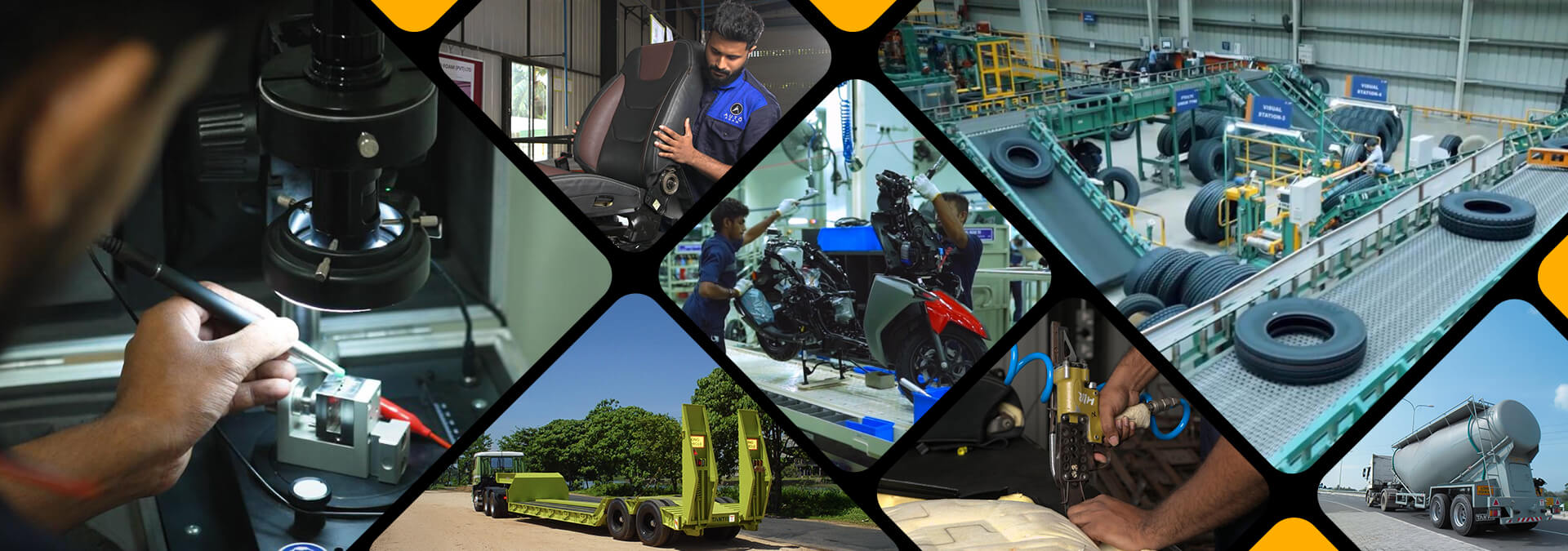
Sri Lanka's automobile industry transformed over the last decade, evolving from an import-driven market to a dynamic hub for vehicle assembly, component manufacturing, and exports. Today, the sector represents a strategic pillar of the nation's industrial development, combining local manufacturing capabilities with global partnerships to create employment, generate foreign exchange, and position Sri Lanka as an emerging player in the regional automotive landscape.
For decades, Sri Lanka's automotive market was characterised primarily by vehicle imports. However, significant policy interventions, most notably the Standard Operating Procedure (SOP) launched in 2021, have catalysed rapid growth in local assembly and component manufacturing. The SOP offers a minimum local value addition of 20% for four-wheel vehicles and 25% for two-wheelers, driving collaboration between international brands and domestic manufacturers.
Today, over 50 component manufacturers and more than 30 vehicle assembly operations employ approximately 20,000 workers directly, with an added 10,000 in supporting industries.Of these, over 5,000 are skilled workers including engineering graduates and specialised trainees, while vocational training institutions generate a further 10,000+ skilled workers per annum.Leading international brands, including Hyundai, Mahindra, TATA, Bajaj, TVS, and Proton, have set up assembly partnerships in Sri Lanka, producing vehicles that meet global quality standards while incorporating locally manufactured components.
The passenger car market is valued at USD 308.7 million in 2025, with the broader automotive sector targeting USD 2 billion in annual exports within five years, a leap that would create an estimated 45,000 direct jobs and establish Sri Lanka among recognised automotive component suppliers in global markets.
Sri Lanka currently operates over 17 active assembly plants with an added 17 investors preparing to commence operations. These facilities produce a diverse range of vehicles across multiple segments including:
Each assembly operation undergoes rigorous government oversight, with a Cabinet-appointed committee ensuring compliance with SOP requirements. The framework promotes technology transfer, skills development, and the creation of a sustainable automotive ecosystem that links assemblers with component suppliers, service providers, and training institutions.
Sri Lanka's spare part manufacturing sector has evolved into a sophisticated industry producing high-quality parts for both domestic assembly and international export markets. Approximately 50 companies manufacture diverse automotive components, with products ranging from safety systems to electrical components and rubber products.
Safety systems, including seat belts and airbag impact sensors, are produced for world-renowned brands such as Toyota, Honda, Aston Martin, Volvo, Opel, and BMW, a testament to Sri Lankan manufacturers' ability to meet stringent international quality standards.The sector currently exports approximately USD 800 million annually, including USD 200 million in auto components, USD 200 million in wire harnesses and electrical items, and USD 400 million in rubber components and tyres. The government has introduced a 20-year master plan targeting the growth of component exports from USD 200 million to USD 1 billion, which would position Sri Lanka as a significant supplier in regional and global automotive supply chains.
Several factors position Sri Lanka's automobile industry for sustained growth:
Despite significant progress, the sector faces several challenges that require sustained attention:
Sri Lankan capabilities are proven through notable achievements:
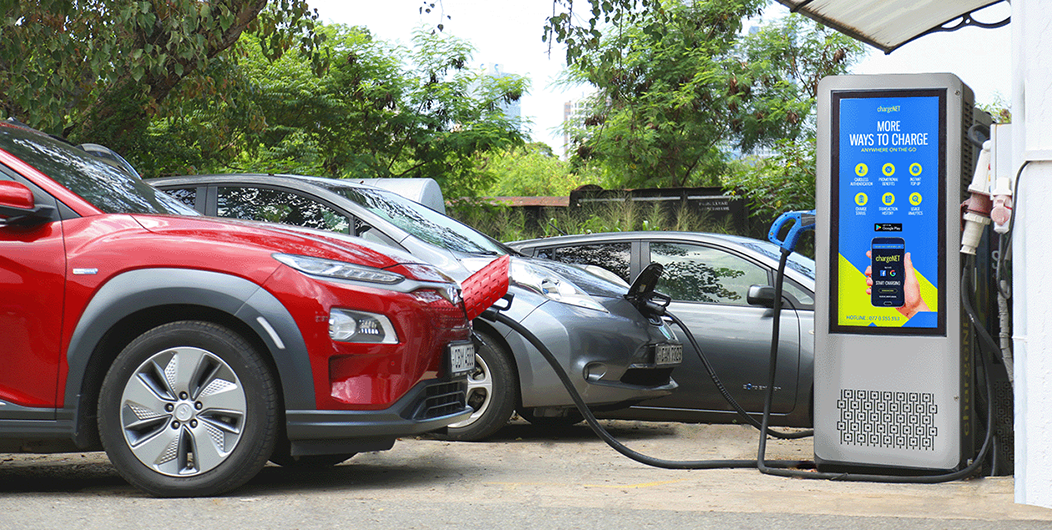
Sri Lanka's automobile industry aims to expand exports from USD 800 million to USD 2 billion. This growth would create 45,000 direct jobs and position Sri Lanka alongside established automotive exporters like Morocco and Thailand. Key export targets include aftermarket parts for South Asia, Africa, and the Middle East, as well as OEM components for global brands and specialised products like sensors and wire harnesses.
Scaling component exports from USD 200 million to USD 1 billion will require deeper collaborations with global brands, technology transfer, and product diversification. Leveraging existing infrastructure and quality, Sri Lanka aims to develop a regional assembly hub for segments such as electric three-wheelers and compact fuel-efficient vehicles. Planned R&D and testing facilities will support innovation, homologation testing, and product certification to fill critical gaps in the ecosystem.
Key priority areas for investment in auto component manufacturing in Sri Lanka include (9 categories identified by the government as strategic growth segments):
As Sri Lanka seeks new engines for economic growth, the automobile industry represents a promising sector combining employment generation, export earnings, technology transfer, and industrial capability development. With the right policies, investments, and collaboration between government, industry, and educational institutions, the automotive sector can become a significant contributor to Sri Lanka's economic transformation.
For investors, international buyers, and industry stakeholders, Sri Lanka offers compelling value propositions: cost-competitive quality manufacturing, strategic location for regional market access, government commitment to sector development, and a skilled workforce ready to meet global automotive industry standards.
The years to come will determine whether Sri Lanka can position itself among the top regional automotive part exporters and establish a reputation for quality, innovation, and reliability in global markets.
Sri Lanka is a fast-growing automotive manufacturing hub, offering global buyers cost-efficient, high-quality vehicles and components. With strong policy support, 50+ component makers, 30 assembly plants, and partnerships with leading brands like Hyundai and TATA, Sri Lanka ensures international standards, strategic location advantages, and supply chain resilience.